Did you know planning a sustainable trip to Boston is easier than you might think? Over just three days, you can explore the city by foot, bike, ferry, and train; spend time in green spaces and along the harbor; shop secondhand; eat locally sourced meals; and explore beyond the city limits car-free!


Day 1: Explore Boston on Foot, by Bike, & by the Water

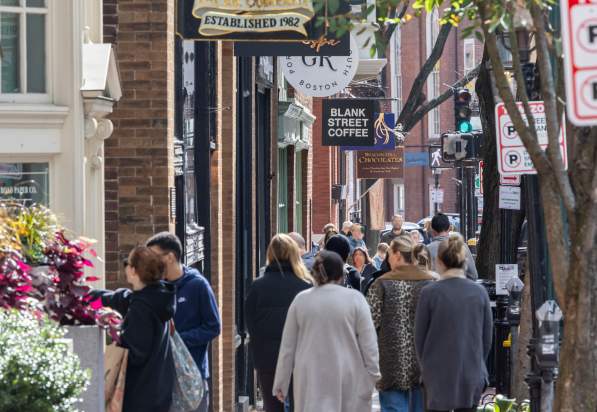
Start your trip by getting around the way many Bostonians do: on foot and by public transportation. Boston is known as one of America’s great walking cities, where a casual stroll can lead you through all sorts of memorable neighborhoods, parks, attractions, and waterfront areas.

Begin near the Boston Common and the Public Garden, two classic landmarks. From there, walk toward the Charles River Esplanade for skyline views, picnic spots, playgrounds, and plenty of green space along the water — it’s also a great place to watch the sailboats. And, if you want to cover more ground, just hop on a Bluebike (Boston’s bicycle sharing system) and head toward popular neighborhoods like Back BayBeacon Hill, or the Seaport District.

If you’re flying into Logan Airport, the MBTA makes it easy to reach central Boston without a car. The Blue Line connects the airport area to Downtown Boston, while the Silver Line offers service between Logan Airport and South Station. Once you’re settled, you can catch MBTA buses to move between local neighborhoods at a slower (and more sustainable) pace.

For a fun afternoon activity on your first day, you can’t go wrong with the New England Aquarium. To learn more about the organization’s impact, tune in to the Boston Found podcast episode with Aquarium President & CEO Vikki Spruill. Its Central Wharf location also makes it easy to pair with a walk along the Rose Kennedy Greenway or a visit to Faneuil Hall Marketplace for gourmet and locally sourced snacks.


End your first day with dinner somewhere close to where you’re staying, or near an easy transit stop. To keep the meal connected to the spirit of the trip, look for restaurants that focus on farm-to-table cooking, seasonal ingredients, locally sourced seafood, or plant-forward menus.

Day 2: Parks, Markets, & Secondhand Finds

Use your second day to explore Boston through its outdoor spaces, markets, and independent shops.

Start at Boston Public Market, an indoor, year-round market featuring food from New England farmers, fishers, and makers. It’s a great place for brunch, coffee, and snacks — most of these are sourced regionally. Nearby, Haymarket is another longstanding Boston market experience where vendors sell fresh produce and seafood in an open-air setting.


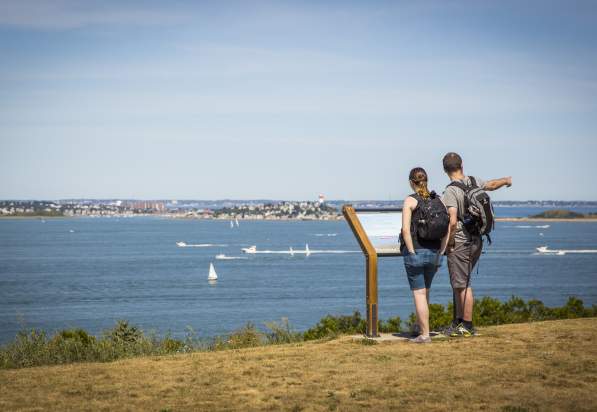
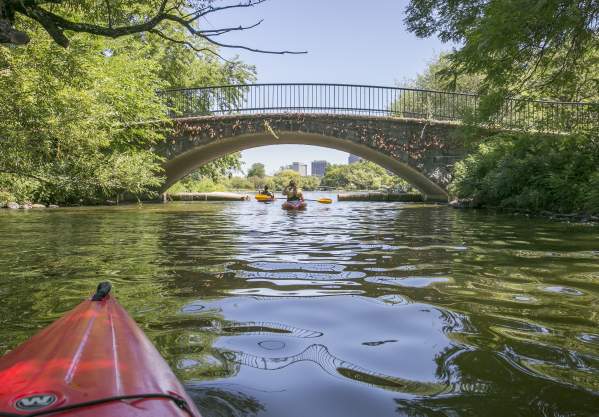
The city boasts nearly 300 public parks, plus hundreds of waterways, trails, lookout points, and places to stretch your legs. A solid place to start is the Emerald Necklace, a connected stretch of parks that links several Boston neighborhoods. Depending on your pace, you can explore the Back Bay Fens, follow the Riverway into Olmsted Park, walk around Jamaica Pond, take photos around the Arnold Arboretum, or continue to check out Franklin Park (the Emerald Necklace’s biggest green space) for all sorts of wooded trails and the Franklin Park Zoo.

Other green spaces to add to your list include:

●      Castle Island

●      Christopher Columbus Waterfront Park

●      Piers Park

●      Pope John Paul II Park

●      Revere Beach Reservation

For more ideas on where to spend time outdoors, read our handy guide to Boston’s parks.

After you’ve had your fill of nature, make time for some secondhand shopping. It’s one of the easiest ways to make any Boston trip more sustainable, and you’re sure to come across something more interesting than your typical souvenir! 

Day 3: Take a Car-Free Day Trip Beyond Boston

One of the best parts of a sustainable trip is how easy it is to leave the city without driving. On your third day, use commuter rail, ferry service, or book a guided service to explore towns and villages beyond Boston.

For a classic North Shore day trip, hop on the commuter rail at North Station and head to Salem. The ride takes just about 35 minutes! Once you arrive, you can visit the Peabody Essex Museum and the Salem Witch Museum, stroll along Pickering Wharf, explore local shops and restaurants, and check out historic sites like The House of the Seven Gablesand the Salem Maritime National Historic Site.

If you’re more interested in checking out the South Shore of Massachusetts, consider a trip to Plymouth. The MBTA Commuter Rail runs from South Station to Kingston Station, where you can easily connect to downtown Plymouth for waterfront walks, local shops, and historic sites like Plymouth Rock and Plimoth Patuxet Museums.

For an even easier option, look into Keolis massAdventures, which offers weekend day trips and experiences near Boston with round-trip transportation included. Depending on the schedule, you might find outings like farm visits, paddling or waterfall trips, apple-picking, cranberry bog tours, and holiday-themed activities.

Where to Stay on Your Sustainable Boston Escape

One easy way to make your Boston trip more sustainable is by booking an eco-conscious hotel. The accommodations below all hold a recognized green certification, such as Green Key or LEED, or have dedicated corporate social responsibility or sustainability programs.

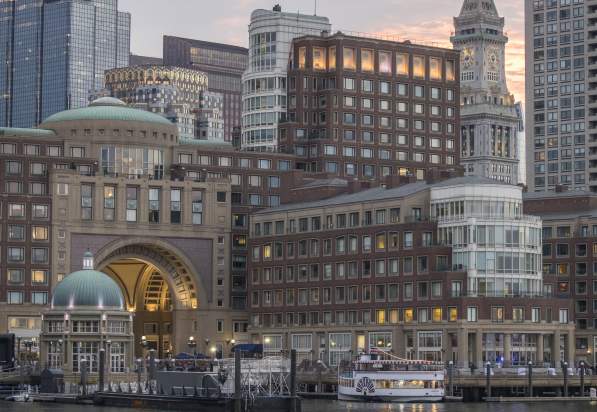
For a waterfront stay near the harbor’s main attractions, consider places like:

●      Boston Harbor Hotel

●      InterContinental Boston

●      Seaport Hotel

●      YOTEL Boston

●      Residence Inn by Marriott Boston Harbor

●      The Westin Boston Seaport District


Cambridge is another great location, especially if you want to be near museums, bookstores, and quick access to Harvard Square and Kendall Square. Sustainability-minded lodgings include:

●      Boston Marriott Cambridge

●      The Charles Hotel, Harvard Square

●      Courtyard by Marriott Boston Cambridge

●      Fairfield Inn & Suites Marriott Boston Cambridge

You’ll also find sustainable lodging options in nearby communities. In Lexington, the Inn at Hastings Park incorporates sustainable practices such as responsible local sourcing and resource-conscious guest services. The Boston Marriott Newton overlooks the Charles River and offers convenient access to the city and surrounding attractions. South ofBoston, Four Points by Sheraton Norwood provides a comfortable base for exploring the area or attending events at Gillette Stadium.

Sustainable Boston Travel Tips

A few small choices can make your trip easier and lighter:

●      Water bottle: Always carry a reusable water bottle, especially if you plan to spend the day walking, biking, or exploring parks and waterfront areas. You’ll find water fountains all over the city to refill on the go.

●      Transit payment: Set up your CharlieCard, contactless credit card, mobile wallet, or wearable before heading out so you can tap-to-ride the MBTA more easily.

●      Layers: Pack a light jacket or extra layer so you can stay comfortable while walking, biking, or spending extra time outside. Check our weather page for more tips on what to wear in Boston.

●      Comfortable shoes: Boston is best explored in small, walkable sections, so always wear shoes that can handle brick sidewalks and longer-than-expected detours.

●      Tote bag: Carry a small, reusable tote bag for market stops, vintage finds, or anything you pick up along the way!

●      Reservations: Book ahead for popular restaurants, especially if you’re planning dinner around a specific neighborhood.

●      Flexibility: Boston is a city that rewards spontaneity, so leave room for unplanned stops, from a bookstore or coffee shop to a waterfront bench with a good view!

Make the Most of Your Sustainable Boston Trip

Before you come to town, be sure to check Meet Boston’s events calendar for things like festivals, outdoor concerts, seasonal markets, performances, and other happenings that might shape your plans. From there, you can group activities by neighborhood, use public transit more easily, and make reservations where needed. A little planning can help you cut down on extra trips across the city and keep your visit’s carbon footprint a bit lighter.